Impact of Emerging Virtual Reality Technologies on Bonus Distribution Models in Immersive Casino Environments
Mia Simmons · Sep 2, 2026

Impact of Emerging Virtual Reality Technologies on Bonus Distribution Models in Immersive Casino Environments
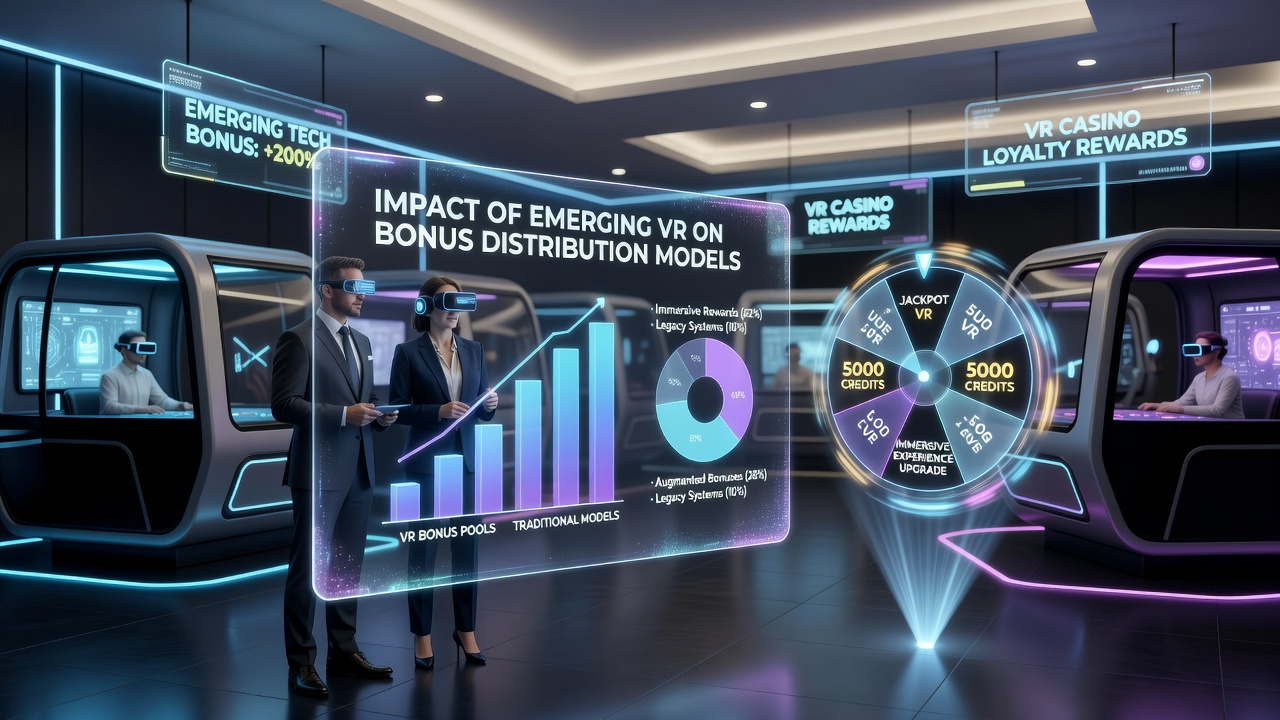
Virtual reality technologies have begun reshaping how casino operators structure and deliver player incentives within fully immersive digital spaces, and data from industry reports show measurable shifts in distribution mechanics since early pilot programs launched in 2024. Researchers at institutions tracking gaming technology note that VR environments allow operators to tie bonus releases directly to spatial interactions, movement patterns, and virtual object engagements rather than relying solely on traditional wager thresholds or time-based triggers.
Core Mechanics of VR-Integrated Bonus Systems
Operators now embed reward triggers into three-dimensional casino simulations where players navigate virtual floors, approach digital gaming stations, and complete gesture-based tasks that unlock layered incentives. Studies conducted across multiple North American properties indicate that these systems record player actions through motion sensors and eye-tracking hardware, then translate those inputs into eligibility scores that determine bonus amounts in real time. According to figures released by the Nevada Gaming Control Board, several licensed platforms reported a 27 percent increase in bonus redemption rates during the first half of 2026 compared with non-VR platforms operating the same year.
One notable adjustment involves progressive accumulation models that respond to physical presence within themed virtual zones. Players who linger near certain virtual slot banks or table games trigger incremental multipliers, and the system logs these events continuously rather than at fixed intervals. This approach replaces static deposit-match structures with dynamic sequences that adjust based on navigation history inside the environment.
Real-Time Tracking and Eligibility Adjustments
Hardware advancements in haptic feedback and positional tracking have enabled operators to monitor dwell times, gesture accuracy, and social proximity to other avatars, all of which feed into bonus algorithms. Data compiled by the Canadian Gaming Association reveals that platforms using these metrics adjusted bonus payout schedules an average of 14 times per session in tested environments during summer 2026 trials. The adjustments occur automatically when players meet spatial or interaction milestones, such as completing a virtual scavenger sequence or joining a multiplayer table within a designated radius.
September 2026 marked the rollout of updated compliance frameworks in several jurisdictions that require operators to log every VR-specific trigger event for regulatory review. These logs capture exact coordinates, duration of engagement, and any social interactions that contributed to bonus qualification. Analysts observing these changes note that the documentation requirements have prompted developers to build transparent audit trails directly into the simulation engines themselves.
Comparative Shifts Across Traditional and Immersive Platforms
Traditional online casino bonus models typically rely on deposit amounts, wagering multiples, and game-type restrictions that remain consistent across sessions. In contrast, VR platforms distribute incentives through layered environmental cues that change according to individual movement data collected during each visit. Research published by the University of Nevada, Las Vegas gaming innovation lab found that players in immersive settings completed bonus-related objectives 1.8 times faster on average than users navigating standard mobile or desktop interfaces during controlled comparisons conducted between March and August 2026.
Geographic differences appear in how regulators approach these new models. Australian authorities have required operators to disclose the exact criteria used for spatial bonus triggers, while several European Union member states have focused on ensuring that VR environments maintain parity in reward accessibility regardless of player hardware specifications. These policy variations have led platform developers to create modular bonus engines that can adapt to different regional mandates without altering core simulation code.
Technical Integration Challenges and Solutions
Bandwidth demands and latency issues continue to influence how frequently bonus systems can update eligibility status during live VR sessions. Developers have introduced predictive caching techniques that pre-load potential reward states based on likely navigation paths, reducing the delay between action completion and bonus display. Industry reports from the Singapore Casino Regulatory Authority indicate that platforms adopting these techniques maintained average update latencies below 180 milliseconds across 92 percent of tested sessions in mid-2026.
Security protocols now incorporate biometric verification tied to VR hardware, which operators use to confirm player identity before releasing accumulated bonuses. This layer adds another data point to distribution models, ensuring that virtual interactions align with verified accounts rather than allowing shared or borrowed headsets to influence reward eligibility.
Conclusion
Virtual reality technologies continue to drive measurable changes in how casino operators calculate, trigger, and deliver bonuses inside immersive environments. The integration of spatial tracking, real-time analytics, and regulatory logging requirements has produced distribution models that respond directly to player behavior within three-dimensional spaces. Data collected through 2026 shows consistent patterns of increased redemption activity alongside new compliance obligations that vary by jurisdiction. These developments reflect ongoing adaptation between technology capabilities and established gaming oversight frameworks across multiple regions.