Player Segmentation Strategies Reveal How Personalized Incentive Layers Adapt Across Evolving Digital Wagering Platforms Using Alternative Payment Systems
Olivia Walter · Nov 11, 2026
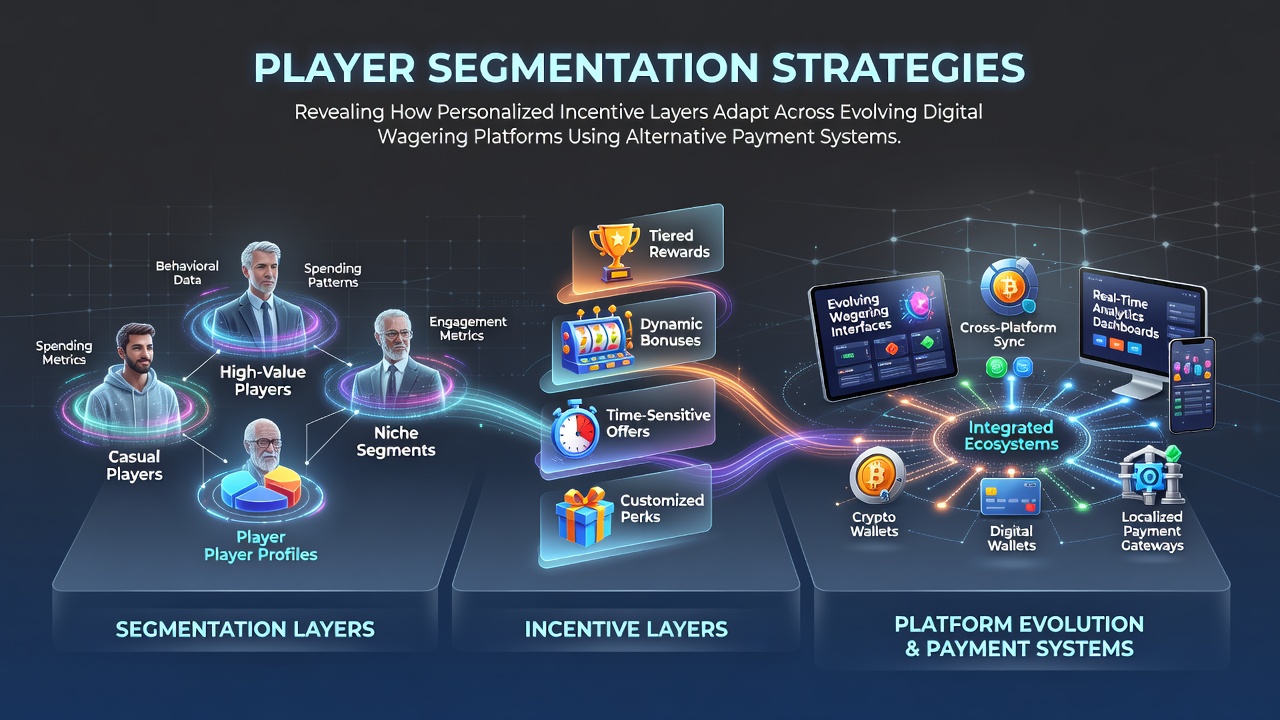
Player Segmentation Strategies Reveal How Personalized Incentive Layers Adapt Across Evolving Digital Wagering Platforms Using Alternative Payment Systems
Player segmentation strategies in digital wagering environments rely on detailed analysis of behavioral patterns, transaction histories, and payment preferences to create targeted incentive structures. These approaches divide participants into distinct groups based on activity levels, deposit frequency, and engagement metrics, which allows platforms to adjust reward layers dynamically. Data from November 2026 indicates that operators using alternative payment systems such as cryptocurrencies and e-wallets have refined these segments to match the unique characteristics of each cohort, resulting in more efficient distribution of bonuses and promotions.
Core Elements of Player Segmentation in Wagering Platforms
Segmentation begins with categorization according to value metrics including lifetime spend, session duration, and risk tolerance. High-value participants often receive layered incentives that escalate through multiple stages, while newer or lower-activity users encounter introductory offers designed to encourage initial deposits via preferred alternative methods. Research indicates that platforms integrate payment system data directly into these models, since crypto transactions typically exhibit faster confirmation times and different fee structures compared to traditional options. Observers note that this integration permits real-time adjustments to incentive eligibility, ensuring rewards align with the actual flow of funds across global networks.
Further divisions occur around geographic and regulatory factors. Platforms serving multiple jurisdictions track how local rules influence payment adoption, then segment accordingly to maintain compliance while optimizing incentive delivery. Studies from the Australian Institute of Criminology have examined how digital wagering operators apply these techniques to accommodate varying currency conversion impacts on bonus unlocking sequences. The resulting frameworks help maintain consistent player progression across segments even as market conditions shift.
Integration of Alternative Payment Systems
Alternative payment systems introduce distinct variables into segmentation models. Crypto-based deposits often correlate with higher mobility across mobile interfaces, prompting operators to create dedicated incentive layers that account for volatility in asset values. E-wallet users, by contrast, frequently demonstrate steadier transaction patterns that support recurring reward structures. According to figures released by the Nevada Gaming Control Board in late 2026, platforms incorporating these distinctions reported measurable differences in retention rates tied directly to segmented incentive timing.
These systems also affect verification timelines. Faster crypto settlements enable quicker access to certain reward tiers, which segmentation algorithms factor into eligibility calculations. Operators adjust the depth of personalization by monitoring how each segment interacts with specific payment rails, then recalibrate offers to sustain engagement without violating platform rules. This process creates feedback loops where payment choice influences incentive depth and vice versa.
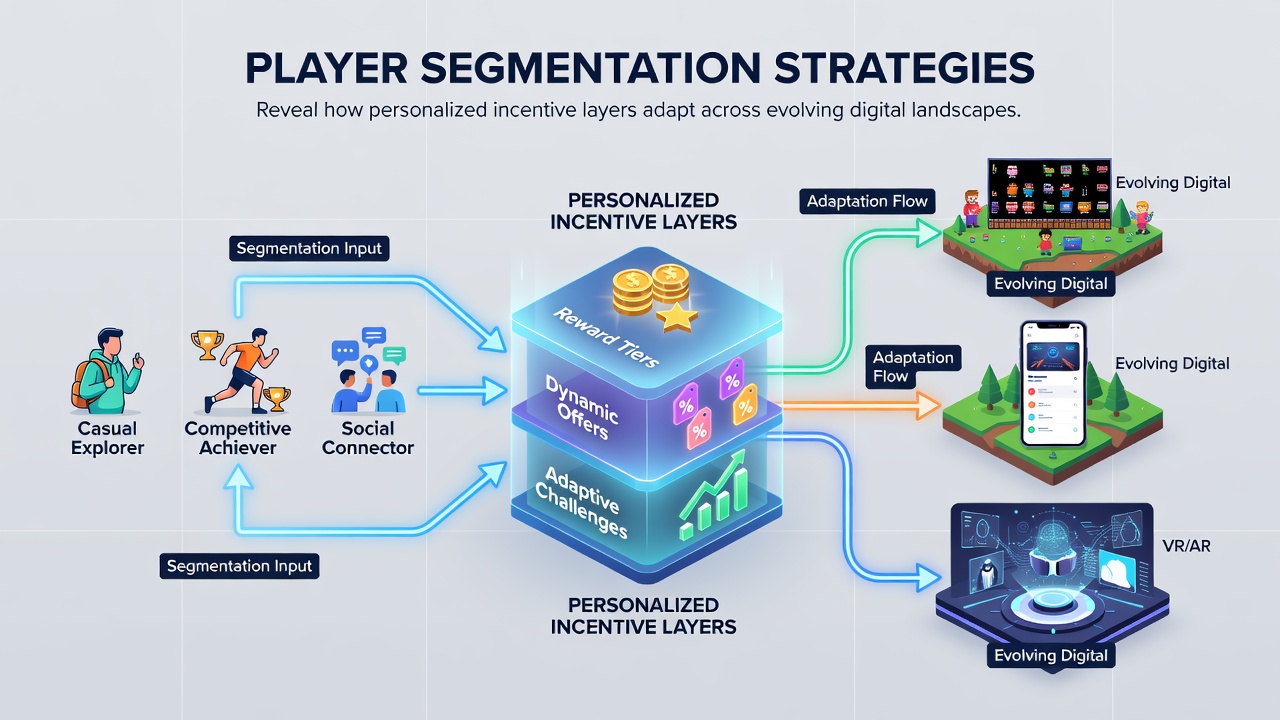
Adaptation of Personalized Incentive Layers
Personalized incentive layers evolve through continuous data refinement. Platforms deploy algorithms that monitor segment performance and modify parameters such as deposit match percentages, cashback thresholds, and free play allocations. When a segment shows preference for particular alternative payments, the system automatically prioritizes incentives compatible with those methods. Evidence from industry reports compiled by the European Gaming and Betting Association shows that such adaptive mechanisms have expanded across portable digital wagering setups, particularly where cross-border transactions rely on digital currencies.
Adaptation also responds to external events. Live event timelines often trigger temporary segment realignments, with operators layering short-term multipliers onto existing incentive structures. Those who track synchronization between sporting calendars and reward unlocks observe that segmentation helps isolate which groups respond most strongly to event-driven offers. The result is a modular system where incentive components can be swapped or scaled according to segment needs while preserving overall platform balance.
Regional and Regulatory Influences on Segmentation
Regulatory environments shape how segmentation strategies incorporate payment data. Different regions impose distinct requirements on bonus transparency and player protection, which forces operators to embed compliance checks within their segmentation frameworks. Data patterns from Canadian provincial regulators illustrate how incentive eligibility criteria shift when alternative payment systems intersect with cross-jurisdictional play. These adjustments ensure that personalized layers remain functional while respecting local mandates.
Global networks further complicate matters. Currency conversion dynamics affect bonus calculations differently across segments, prompting platforms to maintain separate models for users favoring stablecoins versus volatile cryptocurrencies. Observers tracking these developments note that successful adaptation depends on accurate mapping of payment preferences to segment profiles, allowing operators to deliver incentives that retain relevance regardless of location.
Conclusion
Player segmentation strategies continue to mature as digital wagering platforms expand their use of alternative payment systems. The combination of behavioral data, payment-specific variables, and regulatory considerations produces incentive layers that adjust across evolving participant groups. Figures from November 2026 demonstrate ongoing refinement in these approaches, with platforms leveraging segmentation to maintain alignment between player expectations and available rewards. This ongoing process supports sustained operations across mobile and desktop environments while accommodating the distinct characteristics of each payment method.